
Logo Design
Creative Interior Design Logos: How to Make Your Brand Stand Out?
Topic started 2 years
Last Post 2 years ago
October 25

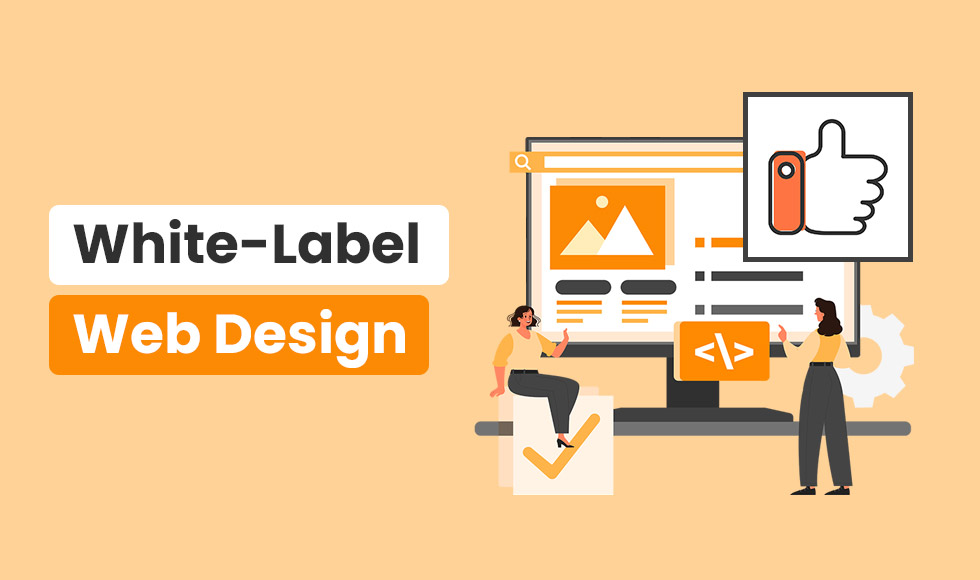
In today’s competitive digital landscape, agencies and resellers often face a challenge: fulfilling surging client demand for high-quality web design services. Building an in-house design team can be expensive and time-consuming. There’s a smarter way. White label web design offers a solution, allowing you to expand your service offerings and impress clients without the burden of hiring a dedicated team. Let’s explore how this powerful strategy can take your business to the next level.
Focus on Core Competencies: Agencies often excel in areas like marketing strategy, SEO optimization, or social media management. White label web design frees them to focus on these core competencies, allowing them to deliver exceptional service in their areas of expertise. By outsourcing web design, they can streamline their operations and dedicate more resources to activities that directly drive client growth and satisfaction.
Faster Project Turnaround: Meeting tight deadlines can be a constant challenge for agencies. White label web design partners possess the experience and resources to handle design projects efficiently. This translates to faster project turnaround times, allowing agencies to meet client expectations consistently and potentially take on more projects, boosting their overall productivity.
Access to a Wider Talent Pool: Building a strong in-house design team requires significant investment in recruitment and training. White label web design allows agencies to tap into a broader pool of design talent without the overhead costs. They gain access to a team of skilled designers with diverse expertise, ensuring access to the latest design trends and technologies, which can elevate the quality of their overall service offerings.
While white label web design offers a wealth of benefits, navigating this partnership requires careful consideration. Here are a few crucial errors to steer clear of:
Choosing the Wrong Partner: A successful white label relationship hinges on selecting the right web design agency. Don’t solely focus on price. Evaluate their portfolio, design quality, communication style, and ability to meet deadlines. Ensure their design philosophy aligns with your brand and target audience.
Lack of Clear Communication: Open and consistent communication is paramount. Clearly define project expectations upfront, including design direction, target audience, desired outcomes, and timelines. Maintain regular communication with your partner, providing timely feedback and addressing any concerns promptly.
Neglecting Client Involvement: While white labeling allows you to present the final product as your own, it’s crucial to keep your client involved throughout the design process. Gather their input on key aspects like brand voice, target audience, and desired functionalities. This collaborative approach ensures the final website aligns with their vision and effectively meets their business goals.
By being mindful of these potential pitfalls, you can forge a successful white label partnership that empowers your business to deliver exceptional web design services to your clients.

Carefully evaluate all the gathered information before selecting your white label web design partner. Consider the factors above, along with your gut feeling about the agency’s culture and approach. Choose a partner who you trust, who aligns with your brand values, and who demonstrates a genuine commitment to your success.
By following these steps, you can confidently select a white label web design partner who will become a valuable asset to your business, empowering you to deliver exceptional web design services to your clients.
Topic started 2 years
Last Post 2 years ago