
Logo Design
Creative Interior Design Logos: How to Make Your Brand Stand Out?
Topic started 2 years
Last Post 2 years ago
October 25

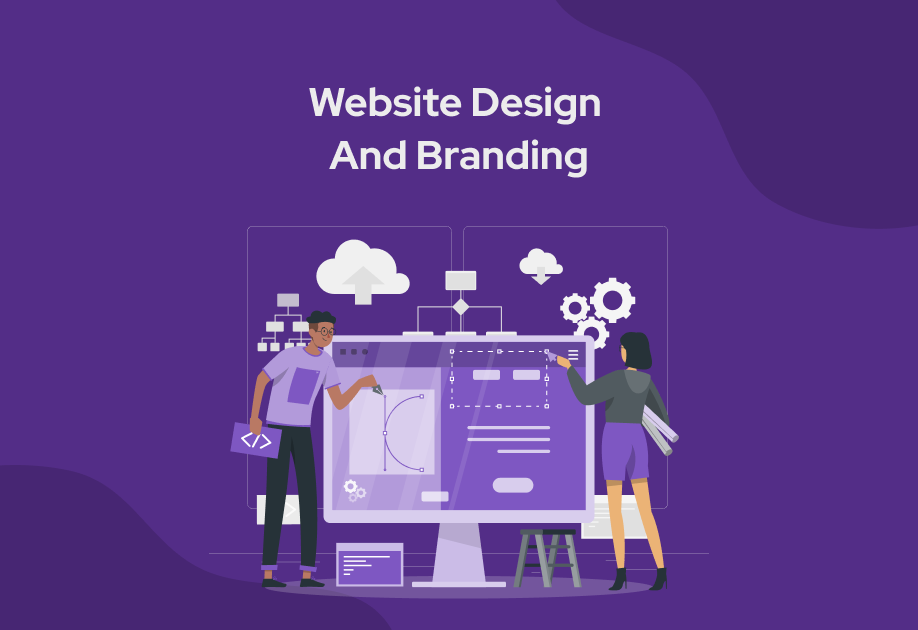
Branding and web design are two essential aspects of creating a successful online presence for your business. Your branding represents your identity, values, and personality, while your web design showcases your products, services, and solutions. Together, they can help you attract, engage, and convert your target audience, as well as boost your reputation and credibility. In this article, we will share 10 best practices for branding and web design that can help you achieve your online goals.
Before you start designing your website, you need to have a clear brand strategy. A brand strategy is a plan that outlines your brand’s purpose, vision, mission, values, and goals, as well as your target audience, market position, and value proposition. A brand strategy can help you create a consistent and coherent brand identity that reflects your business and resonates with your audience. To define your brand strategy, you can use tools such as a SWOT analysis, a buyer persona, a brand archetype, and a brand voice. These tools can help you understand your strengths, weaknesses, opportunities, and threats, as well as your ideal customers, their needs, and their preferences. They can also help you determine your brand personality, tone, and style, as well as how you want to communicate and connect with your audience.

One of the most important elements of your branding and web design is your brand name and logo. Your brand name and logo are the first things that your audience will see and remember when they visit your website. They should be memorable, unique, and relevant to your business and your audience. To choose a memorable brand name and logo, you can follow these tips:
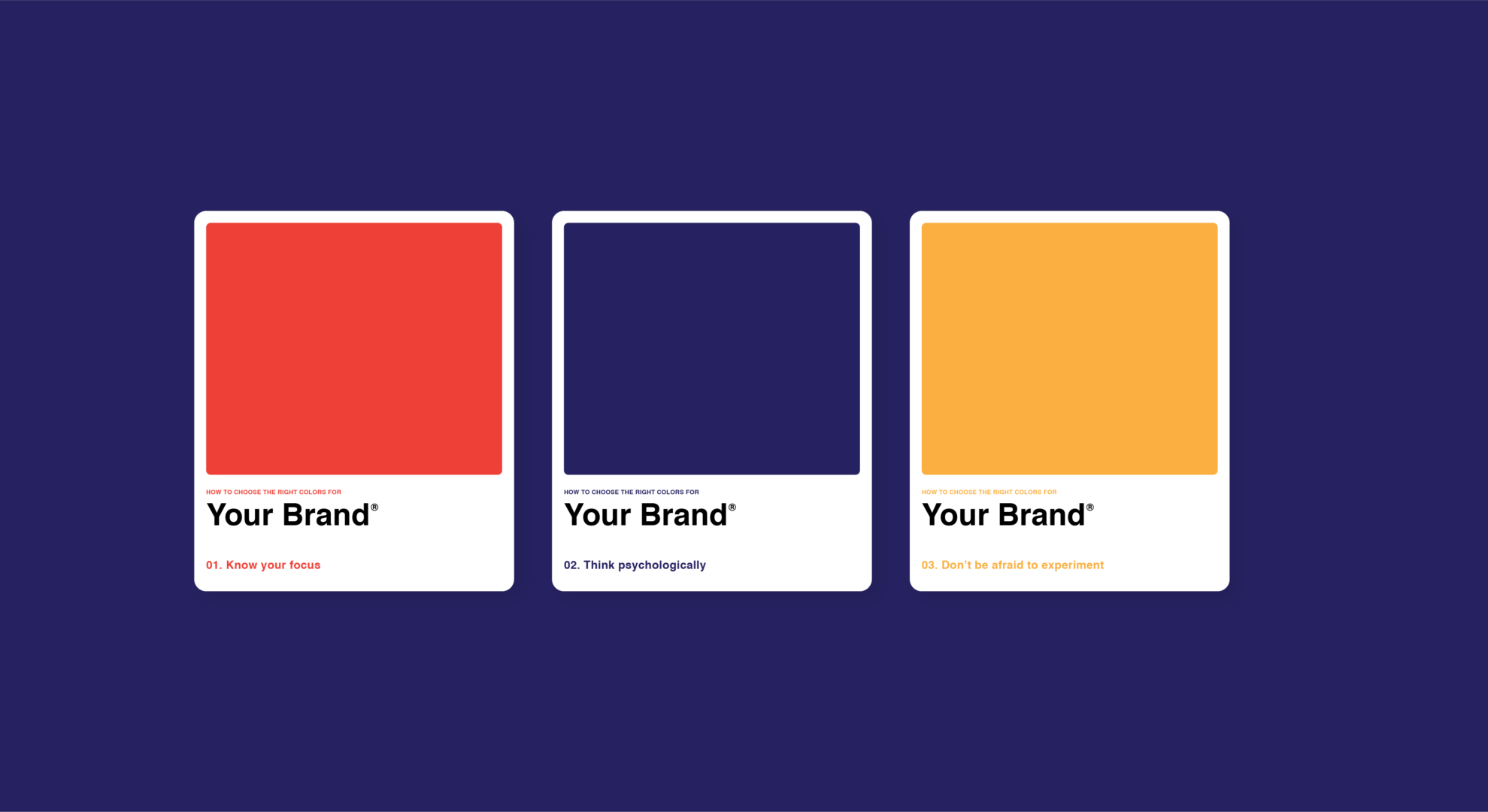
Another key element of your branding and web design is your color palette and typography. Your color palette and typography can help you create a visual identity that conveys your brand’s message, mood, and personality. They can also help you attract attention, evoke emotions, and influence perceptions. To select a color palette and typography that match your brand, you can follow these tips:
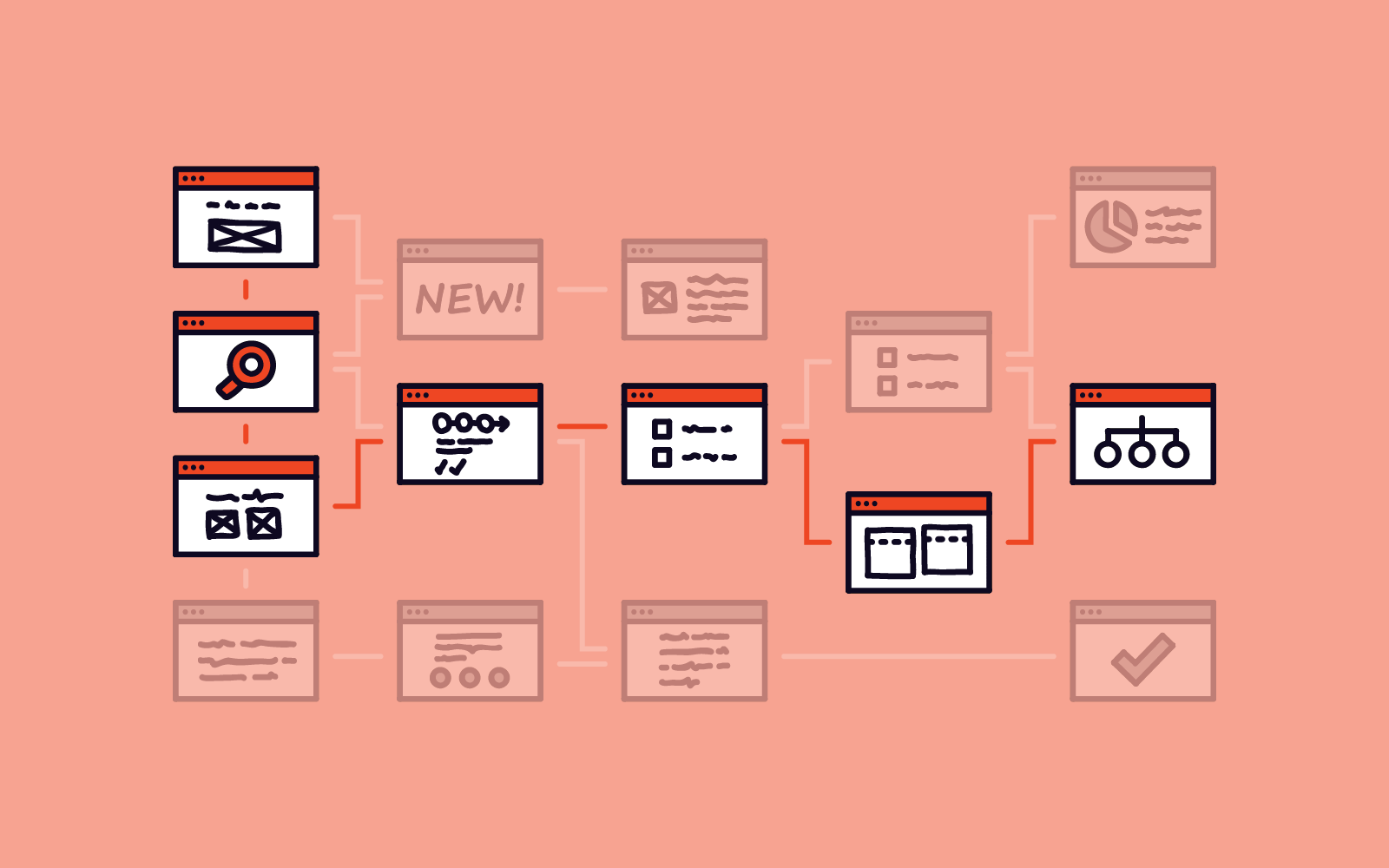
One of the most important aspects of your web design is your website navigation. Your website navigation is the menu or the toolbar that allows your visitors to move around and explore your website. It should be simple and intuitive, so that your visitors can easily find what they are looking for and accomplish their tasks. To create a simple and intuitive website navigation, you can follow these tips:

One of the most essential best practices for branding and web design is to optimize your website for mobile devices. With more and more people accessing websites via smartphones and tablets, you need to make sure your website is mobile-friendly and responsive. A mobile-friendly and responsive website is one that adapts and adjusts to different screen sizes and resolutions, as well as provides a consistent and optimal user experience across different devices and platforms. To optimize your website for mobile devices, you can follow these tips:

One of the most crucial best practices for branding and web design is to prioritize user experience (UX) and user interface (UI) design. UX design is the process of designing a website that is easy to use, navigate, and understand, as well as provides valuable information and solutions to your visitors’ needs and problems. UI design is the process of designing a website that is visually appealing, engaging, and interactive, as well as provides clear and consistent feedback and guidance to your visitors. To prioritize UX and UI design, you can follow these tips:
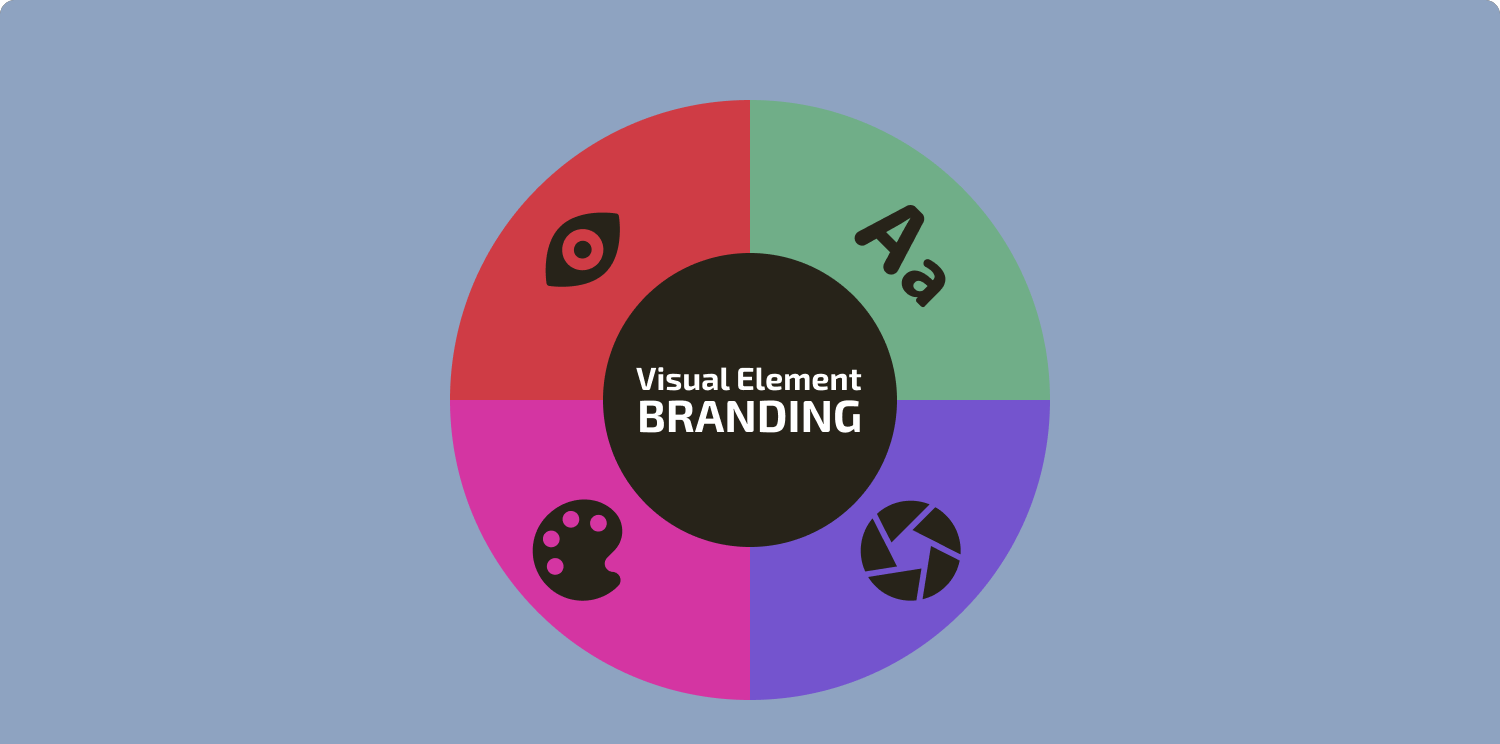
One of the most effective best practices for branding and web design is to incorporate visual elements that support your brand and your content. Visual elements, such as images, videos, icons, illustrations, and animations, can help you enhance your website’s appearance, appeal, and impact. They can also help you convey your brand’s message, mood, and personality, as well as showcase your products, services, and solutions. To incorporate visual elements that support your brand and your content, you can follow these tips:
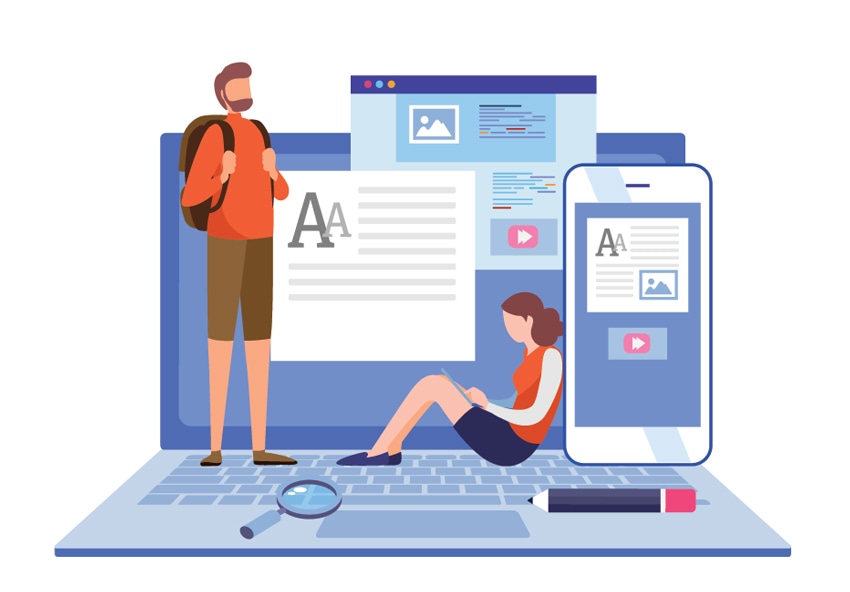
One of the most important best practices for branding and web design is to write clear and compelling web copy that engages your audience. Web copy is the text that appears on your website, such as headlines, subheadings, paragraphs, and calls to action. It should be clear and compelling, so that your visitors can easily understand and relate to your website’s message, value, and offer. It should also be engaging, so that your visitors can feel interested and motivated to take action. To write clear and compelling web copy that engages your audience, you can follow these tips:

One of the most essential best practices for branding and web design is to add clear and persuasive calls to action (CTA) that guide your visitors. A CTA is a button, link, or text that prompts your visitors to take a specific action, such as buying a product, signing up for a newsletter, or contacting you for a quote. A CTA should be clear and persuasive, so that your visitors can easily understand and follow what you want them to do. It should also be guide your visitors, so that they can smoothly move from one stage to the next in your sales funnel. To add clear and persuasive CTAs that guide your visitors, you can follow these tips:

One of the most important best practices for branding and web design is to test and improve your website regularly. Testing and improving your website can help you identify and fix any issues or errors that may affect your website’s quality and performance, as well as your visitors’ satisfaction and conversion. It can also help you optimize and enhance your website’s design and functionality, as well as your visitors’ experience and feedback. To test and improve your website regularly, you can follow these tips:
Branding and web design are vital for your business success. They can help you create a website that is user-friendly, attractive, reliable, and profitable. By following these 10 best practices for branding and web design, you can create a website that suits your brand and your audience, as well as meets your goals and objectives. If you want to take your website to the next level, you need to work with a reliable web design and development agency. ONextStudio is the perfect choice for you. We provide web design, branding, marketing design, and app design services that can cater to your needs and budget. Reach out to us today and let us make your website shine.
Learn more: The Power Of Branding
Topic started 2 years
Last Post 2 years ago