
Logo Design
Creative Interior Design Logos: How to Make Your Brand Stand Out?
Topic started 1 year
Last Post 1 year ago
October 25


The virtual realm often serves as the first impression in the ever-increasing digital age, architects find themselves compelled to design not only physical spaces but also a compelling online presence. An architecture website, akin to a virtual portfolio, is more than a digital display—it’s a gateway for clients and enthusiasts to immerse themselves in the unique world of architectural creativity. This article delves into essential tips for crafting a captivating architecture website design, coupled with prime examples that embody excellence in the field.
Architecture website design refers to the planning, creation, and arrangement of elements on a website specifically tailored to showcase the work, style, and services of an architectural firm or professional. It involves a strategic approach to presenting architectural projects, design philosophies, and relevant information in an aesthetically pleasing and user-friendly manner. The primary goal is to engage visitors, convey the unique identity of the architect or firm, and provide a platform for showcasing their portfolio.
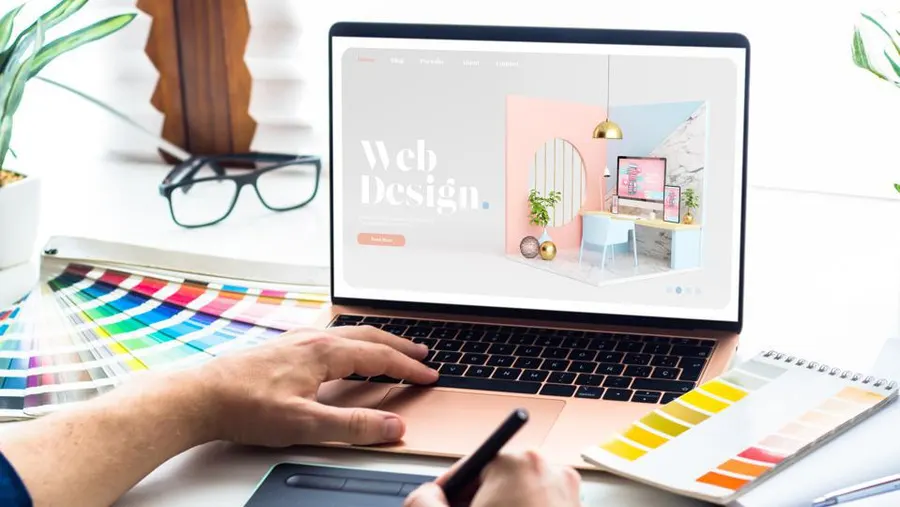
Designing an architectural website requires a thoughtful blend of creativity, functionality, and user engagement. A successful architecture website goes beyond showcasing projects; it becomes a visual narrative, inviting visitors to explore the essence of your design philosophy.
Here are some essential tips to help you create an architecture website design that captivates visitors and effectively showcases your work
Clearly establish your brand identity, including your firm’s philosophy, values, and unique design approach. Reflect this identity in your logo, color scheme, and overall visual aesthetics.
Invest in high-quality, professional photography of your projects. Visuals are the focal point of an architecture website, so ensure they are stunning, crisp, and representative of your design style. Consider incorporating interactive elements like image sliders or galleries.
Design a user-friendly navigation system that guides visitors seamlessly through your website. Organize content logically with a clear menu structure, making it easy for users to explore your portfolio, services, and other relevant information.
Optimize your website for responsiveness across various devices. Whether viewed on a desktop, tablet, or smartphone, your website should adapt seamlessly to different screen sizes to provide a consistent and enjoyable user experience.
Develop a captivating portfolio section that not only displays images but also tells the story behind each project. Include descriptions, design processes, and any unique challenges or innovations. Consider incorporating filters or categorizations for easy navigation.
Integrate multimedia elements such as videos, 3D models, or virtual tours. These elements provide a more immersive experience, allowing visitors to explore your projects from different perspectives and gain a deeper understanding of your design concepts.
Optimize your website for fast loading times. Compress images, minimize unnecessary code, and leverage content delivery networks (CDNs) to ensure that your pages load quickly. A speedy website improves user experience and search engine rankings.
Maintain an active blog or news section to share your insights, industry trends, and updates about your projects. Regularly publishing relevant content not only keeps your audience engaged but also boosts your website’s visibility in search engine results.
Incorporate interactive elements such as contact forms, social media feeds, or comment sections to encourage user engagement. Make it easy for visitors to reach out, ask questions, or share their thoughts.
Implement search engine optimization (SEO) strategies to enhance your website’s visibility on search engines. Use relevant keywords, optimize meta tags, and ensure that your website follows SEO best practices to attract organic traffic.
Maintain consistent branding elements throughout your website, including fonts, colors, and imagery. Consistency reinforces your brand identity and creates a cohesive visual experience for visitors.

Our admiration goes to the simplicity and visual allure of Robert Gurney’s website. The Washington-based architect, known for his innovative designs in modern residential and commercial buildings, adopts a strategy reminiscent of Instagram to present his portfolio.
The homepage captivates with a visually pleasing grid featuring images of the company’s projects. The deliberate use of clean and minimal whitespace enhances its aesthetic appeal. This website serves as an excellent illustration of what a simple and minimalist individual portfolio should embody.

What stands out to us: Conran & Partners communicate their expertise explicitly on their website – specializing in architecture and interior design. Navigating to their project pages from either service category allows you to explore a myriad of their successful works. Beyond this, we have a particular appreciation for the inclusion of the Conran and Partners Studio and People sections, both conveniently accessible from the navigation menu.
The ‘Studio’ section provides a glimpse into the company’s workspace, offering insight into their office environment. On the other hand, the ‘People’ section introduces the faces of the architects and designers responsible for the execution of their awe-inspiring projects. These features play a pivotal role in humanizing the Conran and Partners brand, showcasing the individuals behind the remarkable work and fostering a more personal connection with their audience.
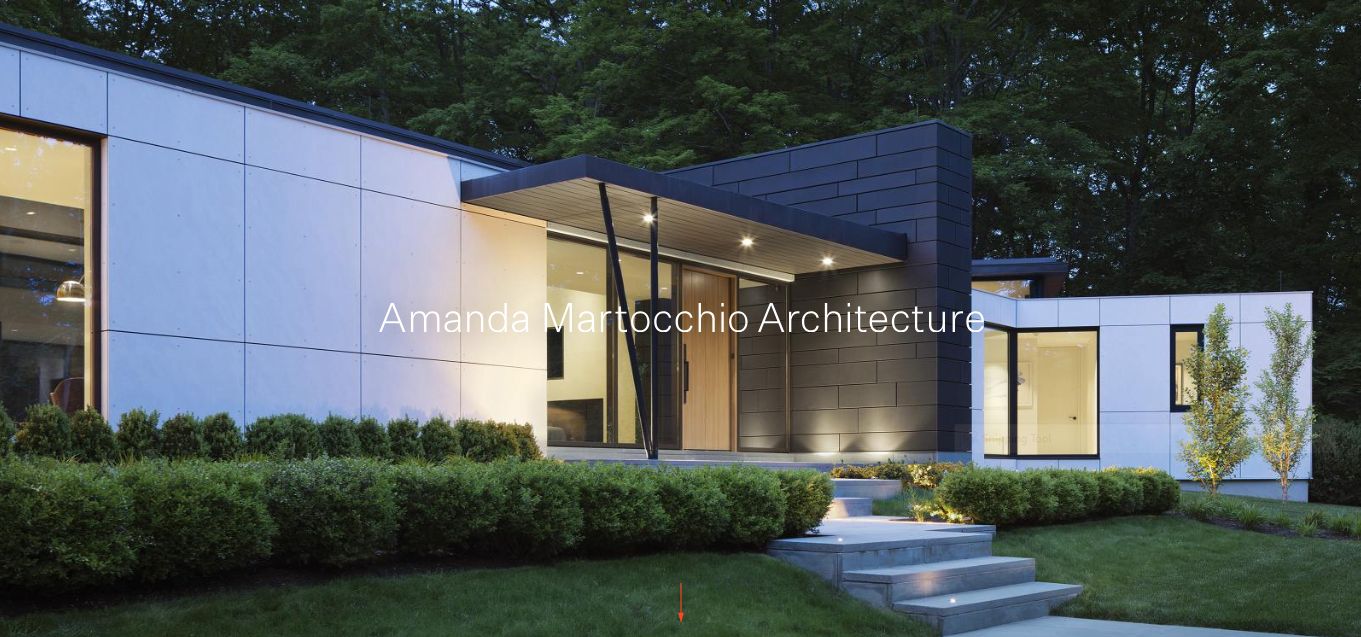
What impresses us: Amidst an industry predominantly led by men, Amanda Martocchio has successfully established one of the largest women-owned architecture firms in the US. Her remarkable portfolio takes center stage on the homepage, showcasing numerous projects. The judicious use of whitespace and the subtle inclusion of small red arrows are particularly noteworthy, providing users with a seamless guide to navigate left or right, revealing diverse perspectives of each project.

What stands out to us: Hailing from the UK, the architecture firm’s website greets visitors with a showcase of successful projects, emphasizing their prowess in the field. What captures our admiration is the expert integration of a white and gray background, creating a seamless browsing experience. If you’re seeking inspiration for a website with a minimalist design, MLA Architecture provides an excellent source of creative insight.
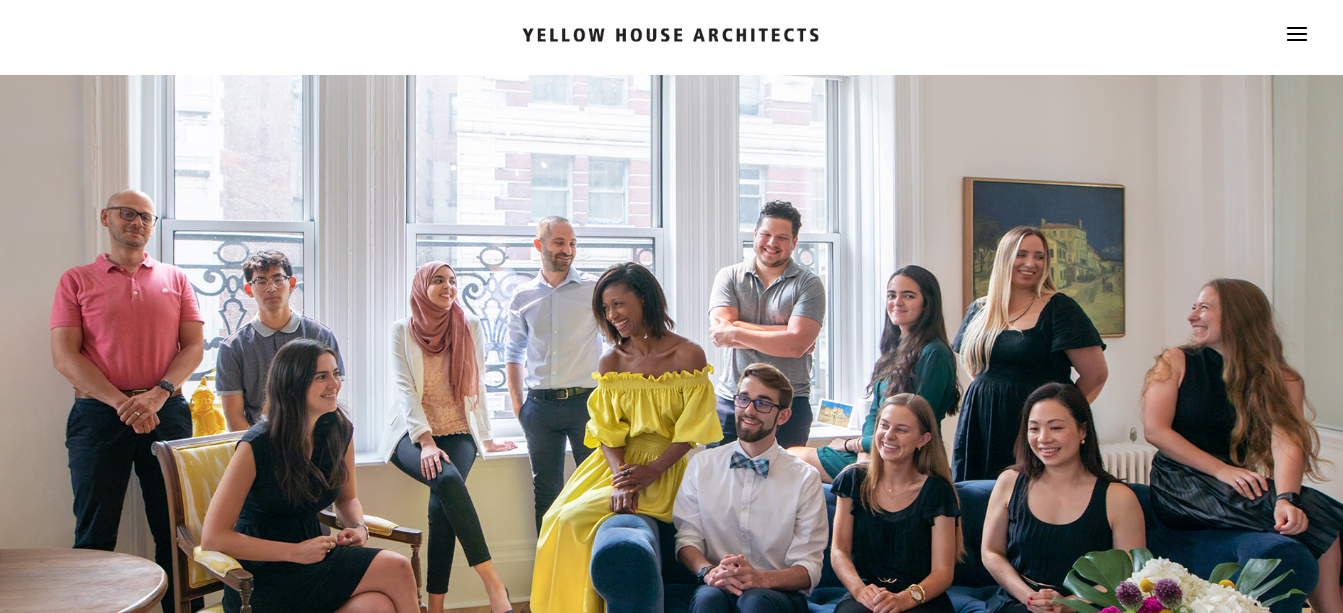
What catches our eye: The moment you arrive on this architecture website, owned by a black woman, you’re warmly welcomed by the radiant smiles of the company’s staff, setting a friendly and inviting tone.
Founded by Elizabeth Graziolo, this New York-based company opts for a direct approach on its homepage. Featuring a background image of the team, a powerful message that echoes their mission statement, and a straightforward navigation menu.

What stands out to us: The initial impact of the William Rawn Associates website is truly impressive. Upon arriving at the homepage, your attention is immediately drawn to a slideshow showcasing their team alongside eight remarkable projects.
Whether it’s the captivating design of Duke University or the stunning Boston Public Library, there is ample evidence for potential clients to recognize the expertise of this architecture firm in crafting magnificent structures.

What impresses us: Established in 2012 by Barbara Bencova, B² Architecture stands out as a woman-owned firm with a noteworthy track record. The website showcases their successful projects arranged in an appealing grid layout.
The grid format allows viewers to click on each project, offering in-depth insights into how B² brought these endeavors to life. Beyond the concise About page, minimalist aesthetics, and effective use of whitespace, we also appreciate the inclusion of eight awards on the About page. These accolades serve as compelling social proof, further attesting to the excellence of B² Architecture.
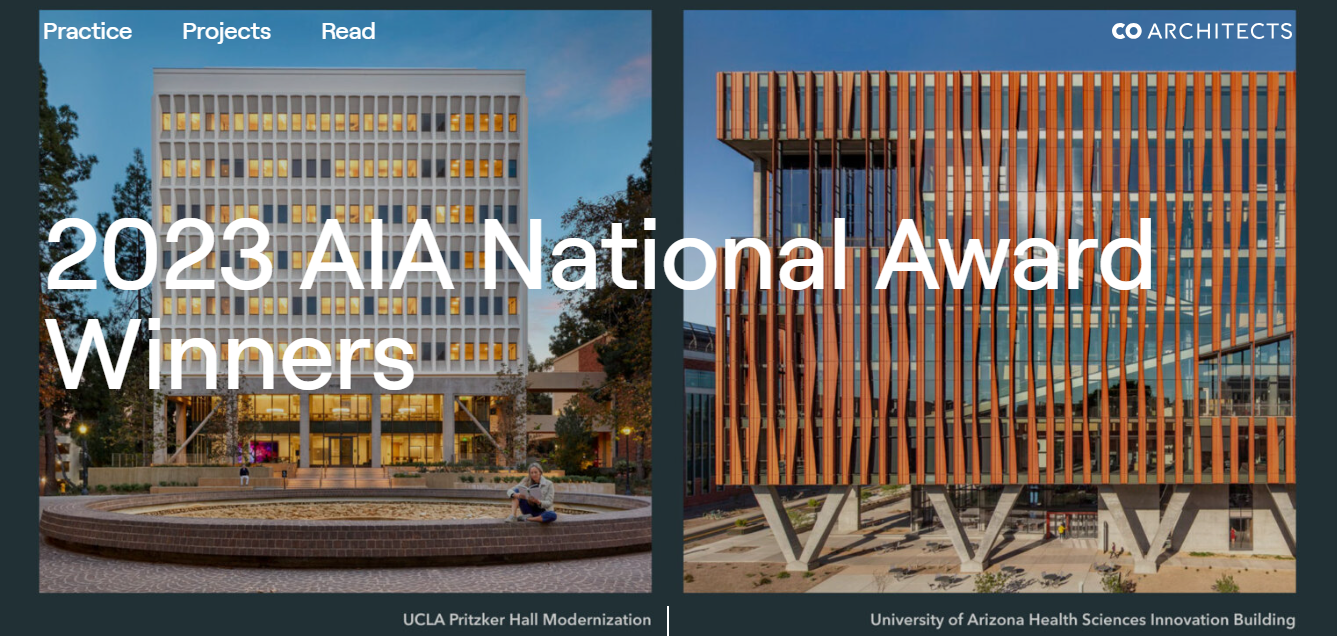
What captures our attention: Demonstrating expertise and credibility is paramount, and CO Architect does this remarkably by prominently showcasing their awards. Upon arrival, visitors are greeted with the bold declaration of their 2023 AIA National award, presented in white font against a backdrop that highlights two of the brand’s impressive projects.
As you continue scrolling on CO Architect’s homepage, more project images unfold, transitioning from a solid dark blue background to an actual image, accompanied by the project title and location. Further down the page, enticing links to join the team and access the latest news are featured, complemented by a compelling call-to-action button that urges prospects to take action: “Time to stop scrolling. Let’s start making!”
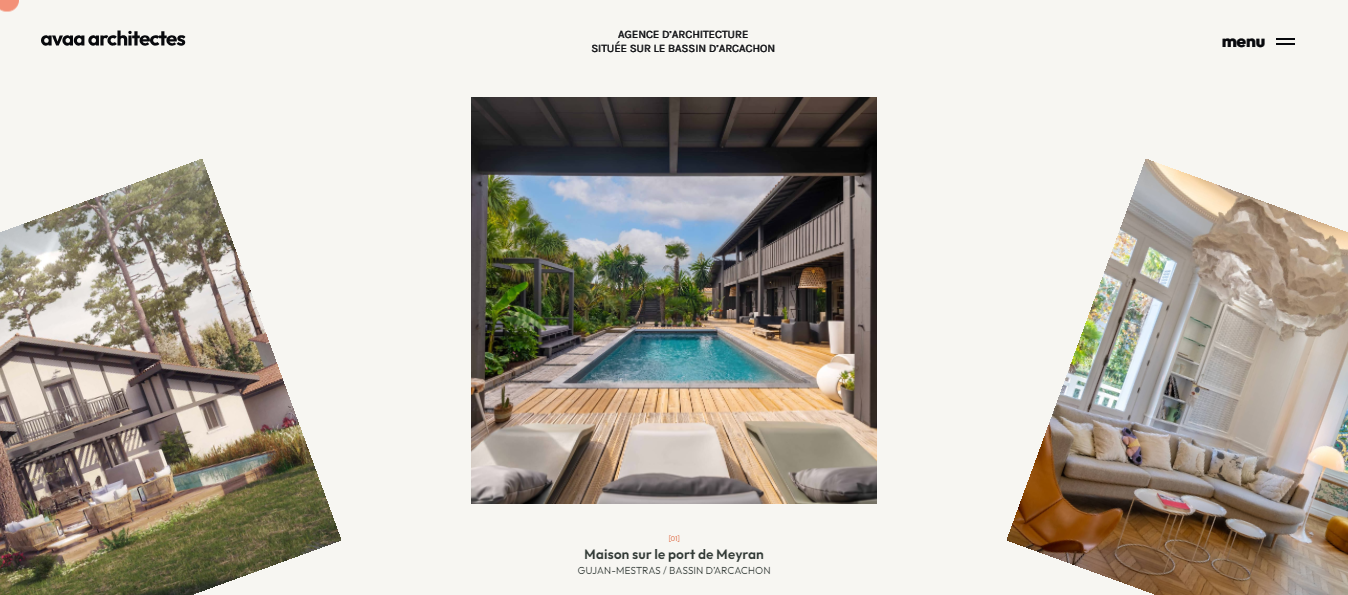
What stands out to us: Nestled on the Bassin d’Arcachon in France, AVAA Architects is a specialist in ecological architecture projects. The allure of their website lies in providing visitors with a sneak peek into their distinctive and innovative mastery.
The homepage of AVAA Architects features a captivating animation slider that presents projects in a spin-the-wheel style. Each click on a project unveils comprehensive details, including the title, description, location, and delivery date.
Look at a variety of architecture websites, ranging from simple, budget-friendly ones to more complex, higher-budget examples. Don’t limit yourself to the architecture niche; explore related industries like interior design and construction for additional design ideas.
Selecting an appropriate website builder is essential for developing your architecture website. Consider user-friendly platforms like HubSpot, Wix, Squarespace, or WordPress, which offer tailored templates and intuitive interfaces. Ensure that the chosen builder includes features such as project galleries, testimonial carousels, and contact forms to enhance your website’s functionality.
Once you’ve chosen a website builder, browse through templates and select one that aligns with your architectural style and brand identity. Look for modern, clean designs that effectively showcase your portfolio and expertise. Consider aspects such as color schemes, typography, and layout options to create a visually appealing website.
Include essential pages on your architecture website, such as an about page, portfolio page, services page, and contact page. Optionally, add a blog page to share your insights and expertise with your audience. Each page should provide compelling information about your firm, projects, and services.
Given that 63% of organic search engine visits come from mobile devices, it’s crucial to optimize your website for mobile users. Ensure your site is responsive and seamlessly adjusts to various screen sizes, enhancing the user experience and making it convenient for potential clients to navigate your site on their mobile devices.
the architecture website acts as a crucial virtual gateway to architectural creativity in the digital age. This article provides essential tips for architects to craft engaging websites, emphasizing brand identity, visual impact, and user-friendly design.
when seeking a professional partner for web design, trust ONEXT STUDIO – a specialized web design company. We not only focus on presenting projects with finesse but also craft a dynamic online experience. To discover how we can make your website stand out, feel free to contact us.
Topic started 1 year
Last Post 1 year ago