
Logo Design
Creative Interior Design Logos: How to Make Your Brand Stand Out?
Topic started 2 years
Last Post 2 years ago
October 25


In today’s digital age, a captivating hotel website design is no longer a luxury, it’s a necessity. It’s the first impression potential guests encounter, and it sets the tone for their entire experience. But with so many design trends swirling around, how do you create a website that stands out from the crowd and converts visitors into loyal guests? Fear not, hoteliers! This guide unveils 8 innovative hotel website design ideas that will capture hearts, minds, and most importantly, bookings in 2024.
Nowhere is the interplay between aesthetics and functionality more crucial than in hotel website design. Stunning visuals showcasing breathtaking views, luxurious rooms, and inviting amenities immediately capture attention and spark interest. However, a beautiful website that’s difficult to navigate or lacks clear booking options will quickly lose potential guests. The ideal hotel website design strikes a perfect balance:
– Visually Appealing: High-quality photographs and videos create an emotional connection with potential guests, transporting them to your hotel’s idyllic setting.
– Intuitive Navigation: A website that’s easy to navigate allows users to find the information they need quickly and seamlessly, from room rates to available amenities.
– Seamless Booking Process: A clear and user-friendly booking system is paramount. Guests shouldn’t encounter any hurdles while making a reservation.
The hospitality industry is witnessing a surge in VR technology, and for good reason. VR transcends static photos and videos, offering a truly immersive experience that fosters a deeper connection with potential guests. Here’s how VR can revolutionize your hotel’s online presence:
– Boosting Engagement: VR experiences are inherently interactive. Users can explore different areas of the hotel at their own pace, fostering a sense of discovery and excitement. This heightened engagement translates to a more memorable user experience that sets your hotel apart.
– Empowering Informed Decisions: Stepping virtually into your hotel allows guests to experience room layouts, amenities, and the overall ambience firsthand. This clarity translates to more informed booking decisions, reducing post-booking surprises and boosting guest satisfaction.
– Skyrocketing Conversion Rates: Studies have shown that VR experiences can significantly increase conversion rates compared to traditional booking methods. By showcasing your hotel’s true essence and fostering a deeper connection, VR can turn website visitors into loyal guests.
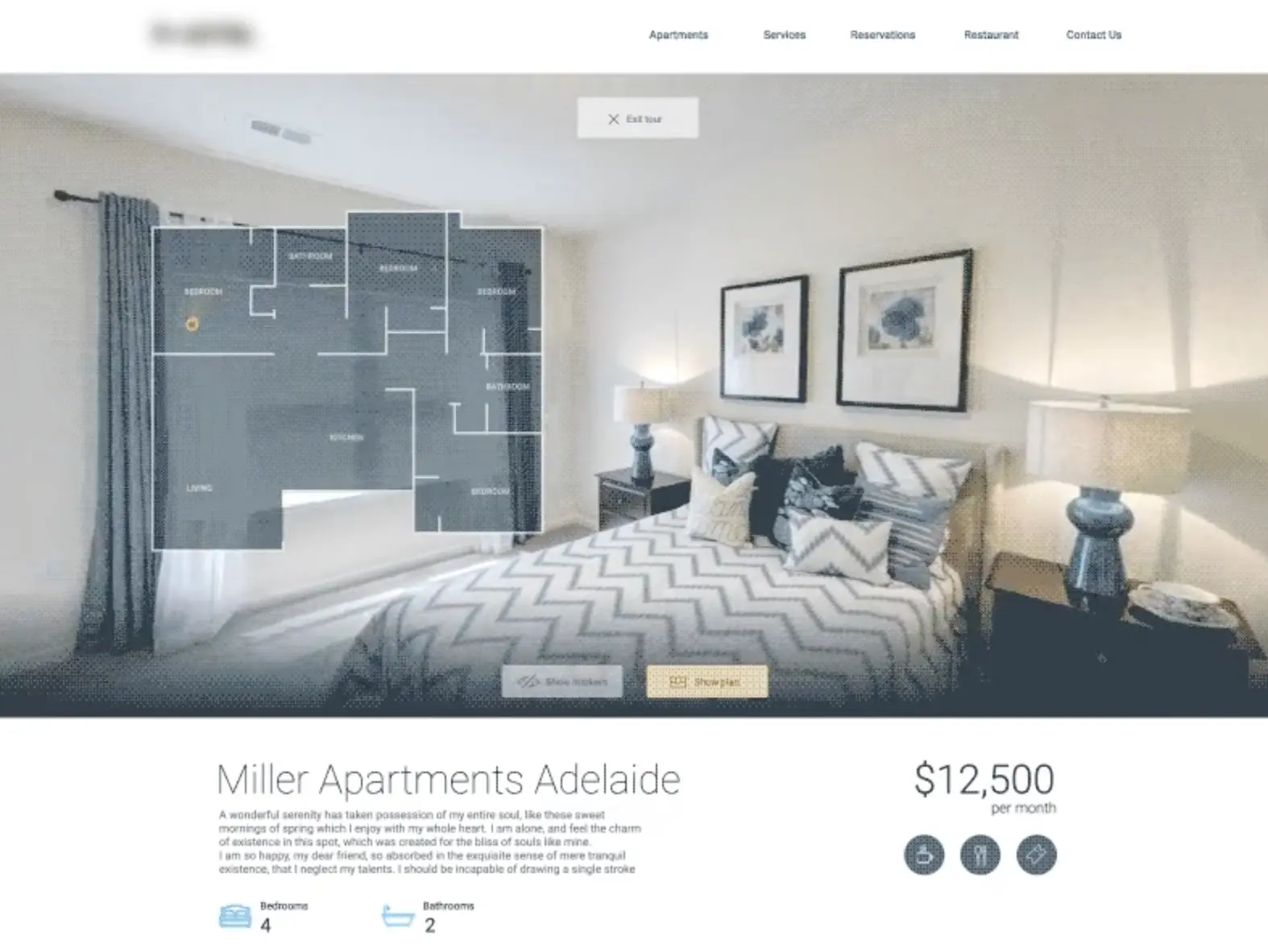
– VR Headset Compatibility: Ensure your VR experience is compatible with a range of popular VR headsets to reach a wider audience. This allows potential guests to experience your hotel regardless of their chosen device.
– Content is King: Creating high-quality, 360-degree video content is crucial for a realistic VR experience. Consider partnering with a VR development company to ensure professional content creation.
– Mobile Matters: While VR headsets offer the most immersive experience, explore options for mobile-friendly VR experiences. This caters to a broader audience who might not have access to VR headsets yet.
– Marriott Hotels: Marriott offers VR tours of select properties, allowing guests to virtually explore luxurious rooms and immerse themselves in breathtaking destinations.
– AccorHotels: AccorHotels goes beyond the hotel itself, showcasing surrounding areas with VR experiences. This provides guests with a better sense of the location and nearby attractions, influencing their decision-making process.
The hospitality industry prides itself on exceptional customer service. But in today’s fast-paced world, guests expect immediate answers and support, 24/7. This is where AI-powered chatbots step in, transforming the way hotels interact with guests and enhance the overall user experience.
AI chatbots are virtual assistants that can answer guest queries, provide recommendations, and even facilitate bookings, all through a convenient chat interface. Here’s how they elevate user experience:
– 24/7 Support: Chatbots are tireless, offering assistance around the clock, regardless of time zones or holidays. This ensures guests get the information they need, whenever they need it.
– Instant Answers to Common Questions: Chatbots can handle a wide range of frequently asked questions, from booking inquiries to restaurant recommendations, freeing up human staff for more complex issues.
– Personalized Interactions: Advanced AI chatbots can leverage guest data and past interactions to offer personalized recommendations and support, creating a more tailored experience.
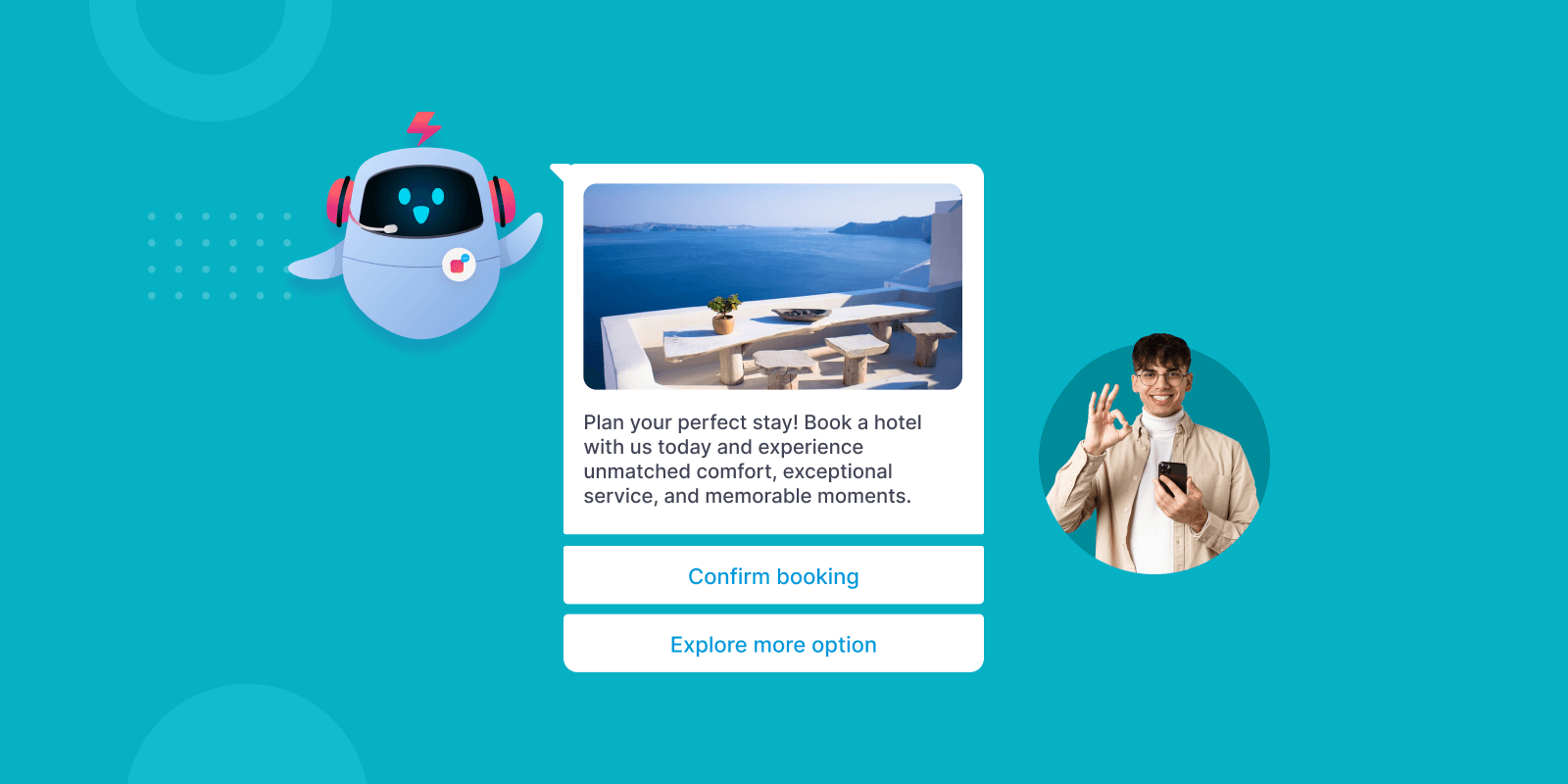
– Improved Customer Satisfaction: By providing prompt and efficient support, chatbots can significantly improve guest satisfaction and brand perception.
– Reduced Operational Costs: Automating routine tasks frees up valuable staff time, allowing them to focus on more complex guest interactions.
– Increased Booking Rates: Chatbots can guide potential guests through the booking process, answer questions, and resolve concerns, potentially leading to higher booking rates.
– Focus on Personality: Infuse your chatbot with a friendly and approachable personality that aligns with your hotel’s brand.
– Transparency is Key: Let guests know they’re interacting with a chatbot and offer the option to connect with a human representative for complex issues.
– Train for Success: Train your chatbot with a comprehensive database of questions and responses to ensure it can effectively handle most guest inquiries.
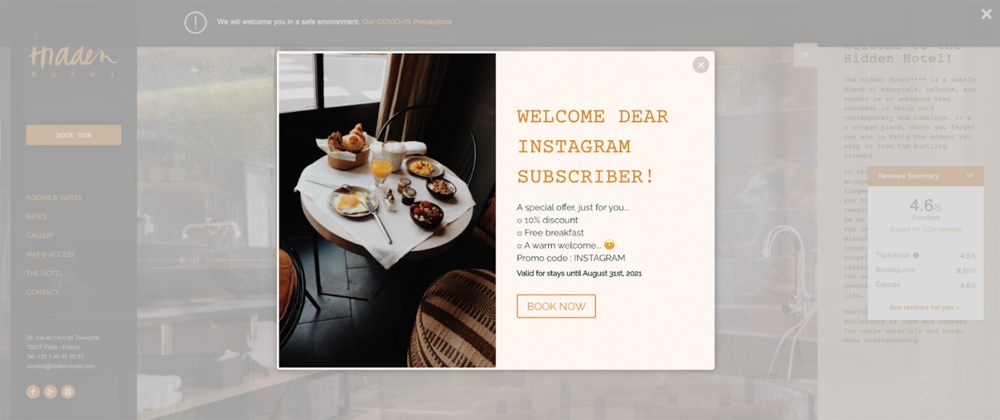
In today’s digital world, where users are bombarded with information, creating a stand-out experience is crucial. This is where dynamic personalization comes in. It’s the art of tailoring content, offers, and the overall user journey to each individual’s needs and preferences.
Imagine walking into a store that only stocked items you loved. That’s the power of personalization. It increases user engagement, satisfaction, and ultimately, conversions. Relevant content resonates more deeply, leading users to spend more time on your site or app. Personalized offers feel less like generic marketing ploys and more like genuine recommendations. This builds trust and loyalty, making users more likely to convert into paying customers.
– User Behavior Tracking: By monitoring user actions (clicks, scrolls, purchases), you can understand their interests and adjust content accordingly. Someone browsing running shoes might see different product recommendations than someone looking at yoga mats.
– User Preferences: Allow users to set preferences or complete profiles. This explicit data provides a goldmine of information for tailoring content.
– Contextual Personalization: Consider the context of a user’s visit. Are they on a mobile device or desktop? What time of day is it? This contextual data can be used to deliver the most relevant content in the moment.
– Data-Driven Design Decisions: Use data to inform the design of your user interface. A/B testing different layouts and functionalities can reveal what resonates best with different user segments.
– Tailored User Journeys: Don’t treat every user the same way. New users might need a guided walkthrough, while returning users might appreciate a quicker path to their desired action.
Personalization is powerful, but it’s vital to use it responsibly. Here are some key considerations:
– Privacy: Be transparent about how you collect and use user data. Always obtain explicit consent and provide clear opt-out options.
– Relevance over Intrusiveness: Personalization should enhance the user experience, not feel intrusive or creepy. Avoid bombarding users with irrelevant recommendations.
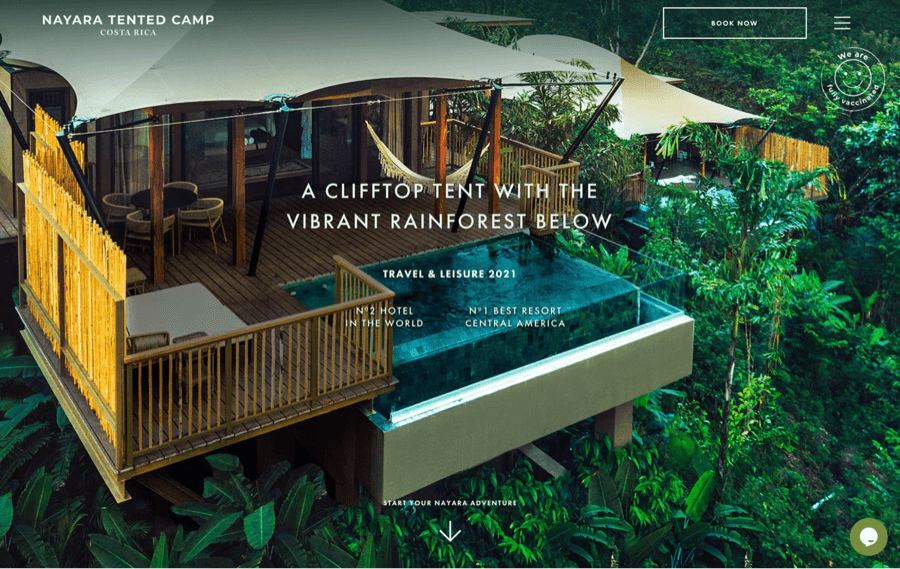
Eco-friendly design goes beyond swapping plastic straws for paper. Hotels are implementing practices like:
– Energy-efficient appliances and lighting: LED lights and high-efficiency HVAC systems can significantly reduce a hotel’s energy footprint.
– Water conservation measures: Low-flow showerheads and faucets, along with guest education on water usage, can make a big difference.
– Sustainable materials: Using recycled or rapidly renewable materials like bamboo furniture or cork flooring minimizes environmental impact.
– Streamlined design: Clean, code-efficient websites with minimal graphics require less energy to load, reducing your digital footprint.
– Image optimization: Compressing images reduces file size and loading times, saving energy.
– Green hosting: Choose web hosting companies that use renewable energy sources to power their servers.
– Audit your website: Analyze your site’s code and identify areas for improvement. Free online tools can help.
– Prioritize user experience: Fast loading times not only improve user experience but also reduce energy consumption.
– Content Delivery Networks (CDNs): Distribute website content geographically to ensure faster loading times for global users.
– Sustainable messaging: Highlight your hotel’s commitment to eco-friendly practices on your website. Partner with sustainability organizations for credibility.
The hospitality industry thrives on convenience, and in today’s world, that means prioritizing mobile-first design for your hotel website.
Think about it: how often do you research and book travel on your phone? A staggering number of people do – in fact, mobile devices account for the majority of web traffic globally.
– Mobile Booking Boom: People are increasingly comfortable booking travel directly from their phones. A seamless mobile experience can mean the difference between capturing a guest and losing them to a competitor.
– Search Engine Savvy: Google prioritizes mobile-friendly sites in its search rankings. A website optimized for mobile will show up higher in search results, putting your hotel in front of potential guests.

– Simple and Clean: Mobile screens are small, so prioritize clarity. Use large, easy-to-read fonts, and avoid cluttering the screen with text or excessive graphics.
– Big, Bold Buttons: Make it easy for guests to take action. Booking buttons, contact information, and other essential functions should be prominent and easy to tap.
– Thumb-Friendly Navigation: People navigate with their thumbs on mobiles, so place key buttons and menus within easy reach at the bottom of the screen.
– Fast Loading Speeds: Nobody waits on a slow website. Optimize images, minimize code, and leverage caching to ensure your site loads quickly on any mobile network.
In today’s competitive online travel landscape, a smooth and streamlined booking process is crucial for hotels. Just a few extra clicks or confusing steps can lead to frustrated potential guests abandoning their reservations and heading to a competitor. This section dives deep into simplifying the booking process, maximizing conversion rates, and creating a user-friendly experience.
Studies consistently show a clear link between booking ease and conversion rates. A website with a complex or lengthy booking process is more likely to see travelers abandon their reservations before completion. Conversely, a streamlined booking system with minimal steps can significantly increase confirmed bookings and boost revenue.
Imagine a potential guest excited about your hotel, only to get bogged down in a complicated booking process. By simplifying the steps, you remove this hurdle and make it easier for them to convert their interest into a confirmed stay.

Now that we understand the importance of simplicity, let’s explore the key features of an effective booking interface:
– Clear Calendar: A calendar with real-time availability indicators allows guests to easily see which dates are open for booking.
– Simple Forms: Avoid lengthy forms with unnecessary fields. Focus on collecting essential information for the reservation.
– Multi-Device Compatibility: Your booking system should function flawlessly on desktops, mobiles, and tablets to cater to guests on the go.
– Secure Payment Gateways: Provide trusted and secure payment options to ensure guest peace of mind during the booking process.
– Progress Indicator: A progress bar or indicator helps users visualize their booking completion, reducing frustration and abandonment.
– Positive online reviews hold immense weight in the travel industry. Studies show that a significant majority of travelers actively seek out reviews before booking a hotel. Positive testimonials act as a virtual word-of-mouth recommendation, influencing booking decisions and swaying hesitant guests.
– Genuine customer reviews offer an unbiased perspective on the hotel experience. Showcasing positive feedback validates your claims about service, amenities, and overall quality. This transparency fosters trust and positions your hotel as a reliable and desirable choice.
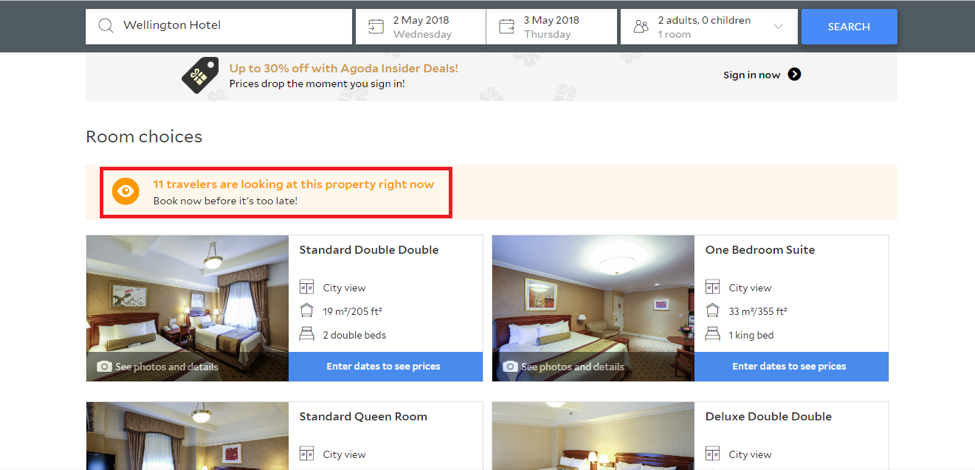
– Strategic Placement: Don’t hide your social proof! Feature guest testimonials and star ratings prominently on your website’s homepage. This creates a positive first impression and immediately establishes credibility.
– Targeted Reviews: Integrate curated reviews throughout your website for maximum impact. For example, highlight reviews praising the hotel’s restaurant on the dining page, or showcase spa-related testimonials on the spa services section. This targeted approach allows potential guests to find relevant feedback that aligns with their specific interests.
– Social Media Integration: Leverage social media platforms to showcase positive guest experiences. Share snippets of positive reviews, photos tagged at your location, and heartfelt comments from satisfied guests. This creates a dynamic and ongoing conversation that builds trust and authenticity.
Interactive maps and guides are transforming the way potential guests explore your hotel and its surrounding area. These digital tools go beyond static images, offering an engaging and informative pre-visit experience.
– Virtual Exploration: Interactive maps allow guests to virtually navigate the hotel grounds, pinpointing amenities like restaurants, pools, and spa facilities. This helps them visualize the layout and plan their stay effectively.
– Enhanced Decision-Making: Integrate key information about on-site offerings with photos, user reviews, and ratings. This empowers guests to make informed choices about dining, activities, and local attractions.
– Increased Confidence: A user-friendly map reduces arrival anxiety. Guests can familiarize themselves with the hotel’s layout before their visit, feeling more confident upon arrival.
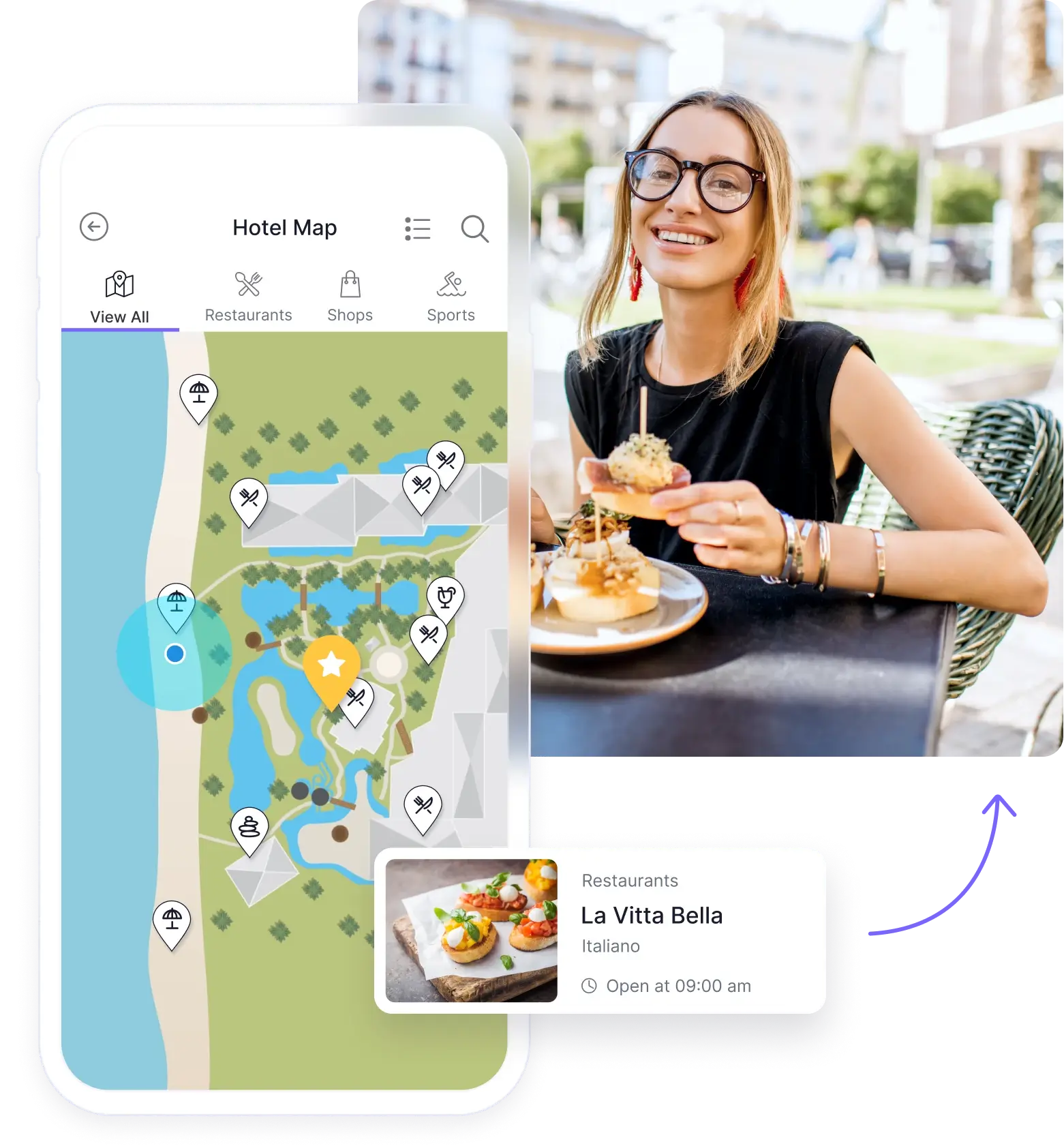
– Platform Selection: Several options exist. Consider online map services like Google Maps Platform or specialized web development companies offering interactive map creation tools.
– Prioritize Usability: Ensure the map is intuitive and easy to navigate across different devices (desktop, mobile, tablet).
– Information at a Glance: Present information clearly and concisely. Use icons, legends, and pop-up windows effectively.
– Engaging Features: Consider incorporating features like 360° virtual tours of specific areas or augmented reality experiences for a truly immersive pre-visit.
In today’s digital landscape, a generic hotel website simply won’t cut it. The 8 design trends explored in this guide provide a roadmap for creating a website that reflects your hotel’s unique personality and entices guests to experience it for themselves.
Don’t settle for an ordinary online presence! ONextStudio’s web design team is passionate about creating websites that stand out. We’ll help you craft a website that showcases your hotel’s individuality, captures the imagination of potential guests, and compels them to book their next unforgettable stay. Contact us now for more information.
Topic started 2 years
Last Post 2 years ago