
Logo Design
Creative Interior Design Logos: How to Make Your Brand Stand Out?
Topic started 2 years
Last Post 2 years ago
October 25
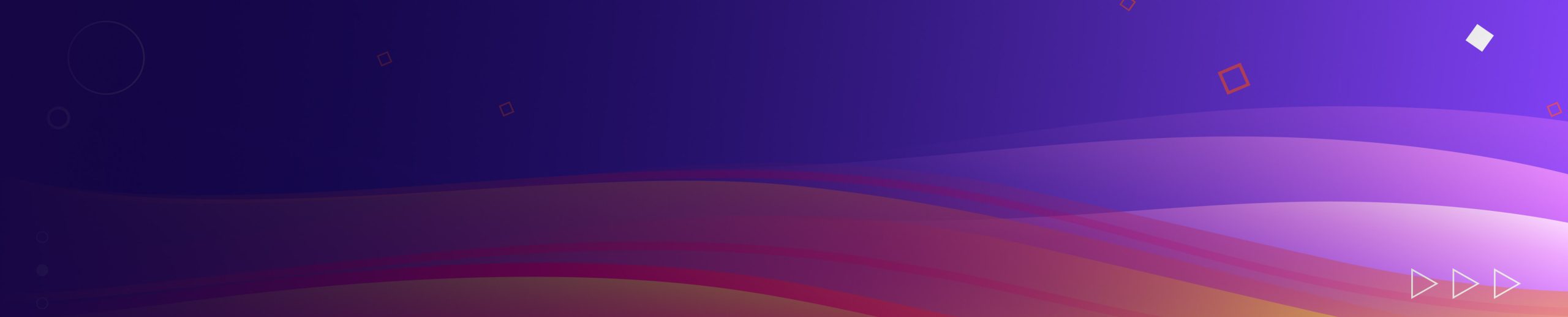

Remember the chunky sweaters and neon scrunchies? 90s design is back, making a splash in web design! From rebellious grunge to playful Memphis Milano, the 90s offer a treasure trove of graphic styles. Get ready to inject a dose of nostalgia and playful charm into your modern website. This exploration dives into 7 key 90s web styles, uncovering their history, cultural impact, and how you can use them to create a unique and engaging online experience. Buckle up and get ready to rock your website!
The 90s web was a visual time capsule, bursting with bold colors, playful fonts, and innovative (sometimes quirky) layouts. It was a time where technology limitations sparked creativity, and cultural trends heavily influenced how websites looked and felt. Let’s delve into 7 iconic graphic styles that defined this era and explore how you can incorporate them into your modern web design for a touch of nostalgia or a unique and playful aesthetic:

Think dark colors with neon bursts, distressed textures for raw energy, and bold typography. This edgy style mirrors the alternative music scene. Not for everyone, but perfect for websites wanting a rebellious, authentic, or underground vibe. Use sparingly as accents or for artist/designer portfolios.
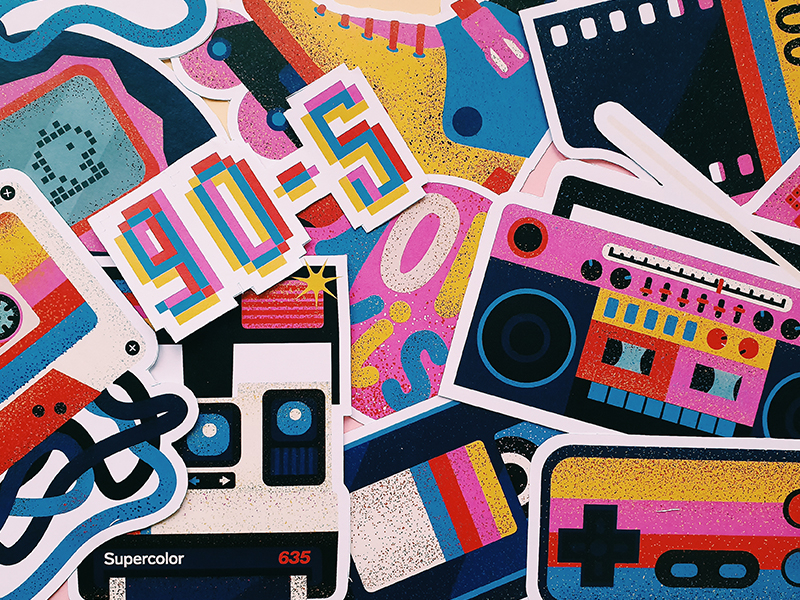
Forget about matching colors and staid layouts. Memphis Milano was all about breaking the design rulebook and embracing a playful, whimsical aesthetic. Think mismatched color palettes that would make a rainbow jealous, bold geometric shapes that seem to dance across the screen, and quirky illustrations that defy convention. This style is perfect for websites that cater to children, creative agencies, or anyone who wants to inject a dose of fun and unexpected delight into their online presence.

Remember those websites overflowing with cartoon characters and instantly recognizable brand mascots? Pop culture took center stage in the 90s web, creating a sense of fun and familiarity for users. Vibrant, cartoon-inspired graphics, the integration of popular characters, and large, attention-grabbing fonts were all hallmarks of this style. It’s a great choice for websites targeting younger demographics, entertainment websites, or product launches that want to evoke a sense of nostalgia and lighthearted fun.

In the early days of the internet, navigating the digital world could be a confusing experience. To bridge the gap, designers used skeuomorphism – essentially replicating real-world objects like buttons and dials in a digital format. This created a sense of comfort and familiarity for users who were still getting their bearings online. 3D elements added a futuristic touch, hinting at the vast potential of this new digital landscape. While skeuomorphism might look dated today, subtle touches can add a nostalgic effect or even be used ironically to comment on our digital world.
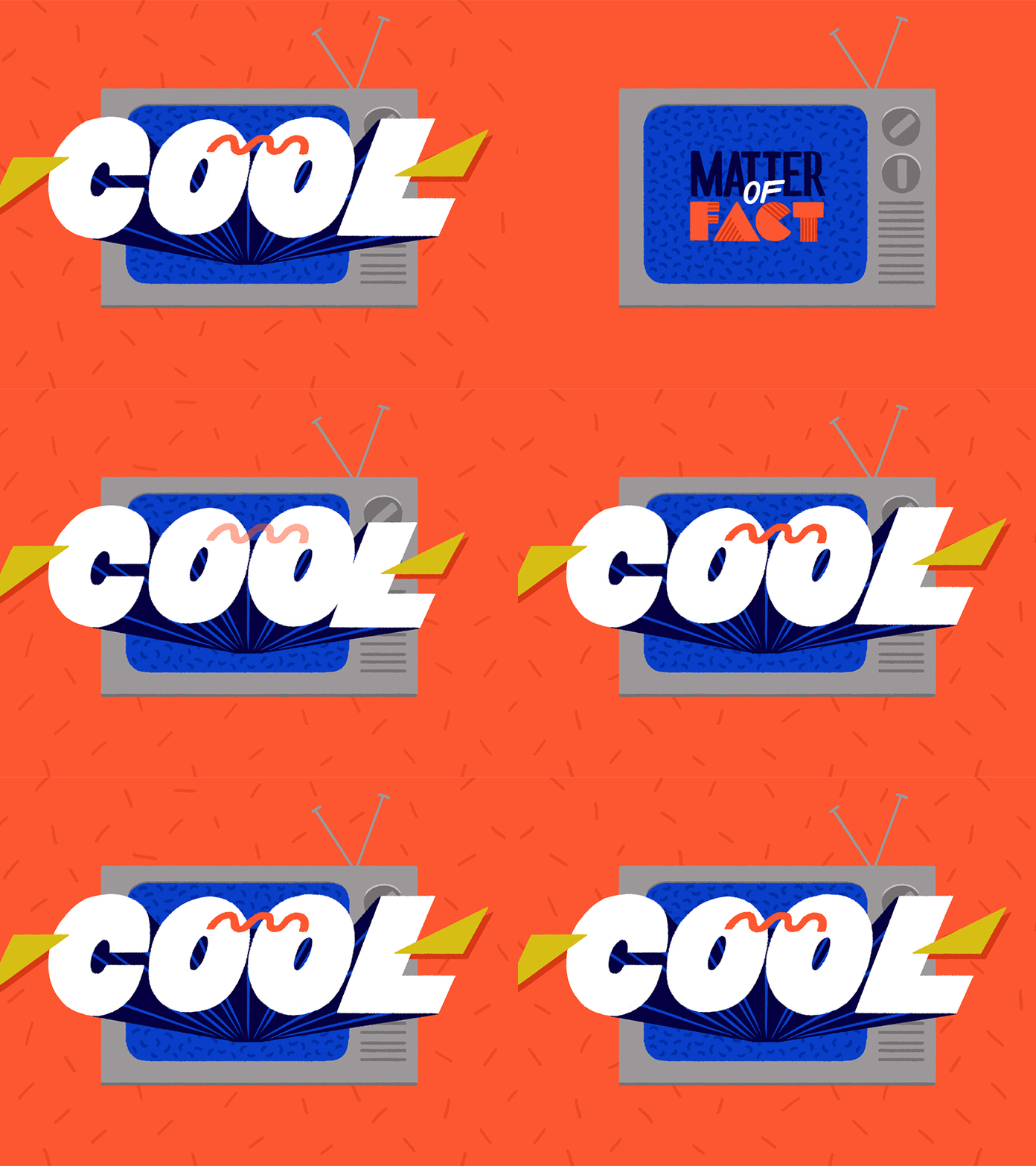
With limited bandwidth the norm in the 90s, designers had to be clever when it came to adding movement and interactivity. Enter the era of the animated GIF – simple, looping animations that grabbed attention and added a touch of whimsy to websites. Scrolling banner ads with eye-catching movement and character animations on loading screens were all popular ways to use this technique. While bandwidth limitations are no longer an issue, animated GIFs are still a great way to add subtle micro-interactions, create engaging loading screens, or even incorporate playful storytelling elements into your website.
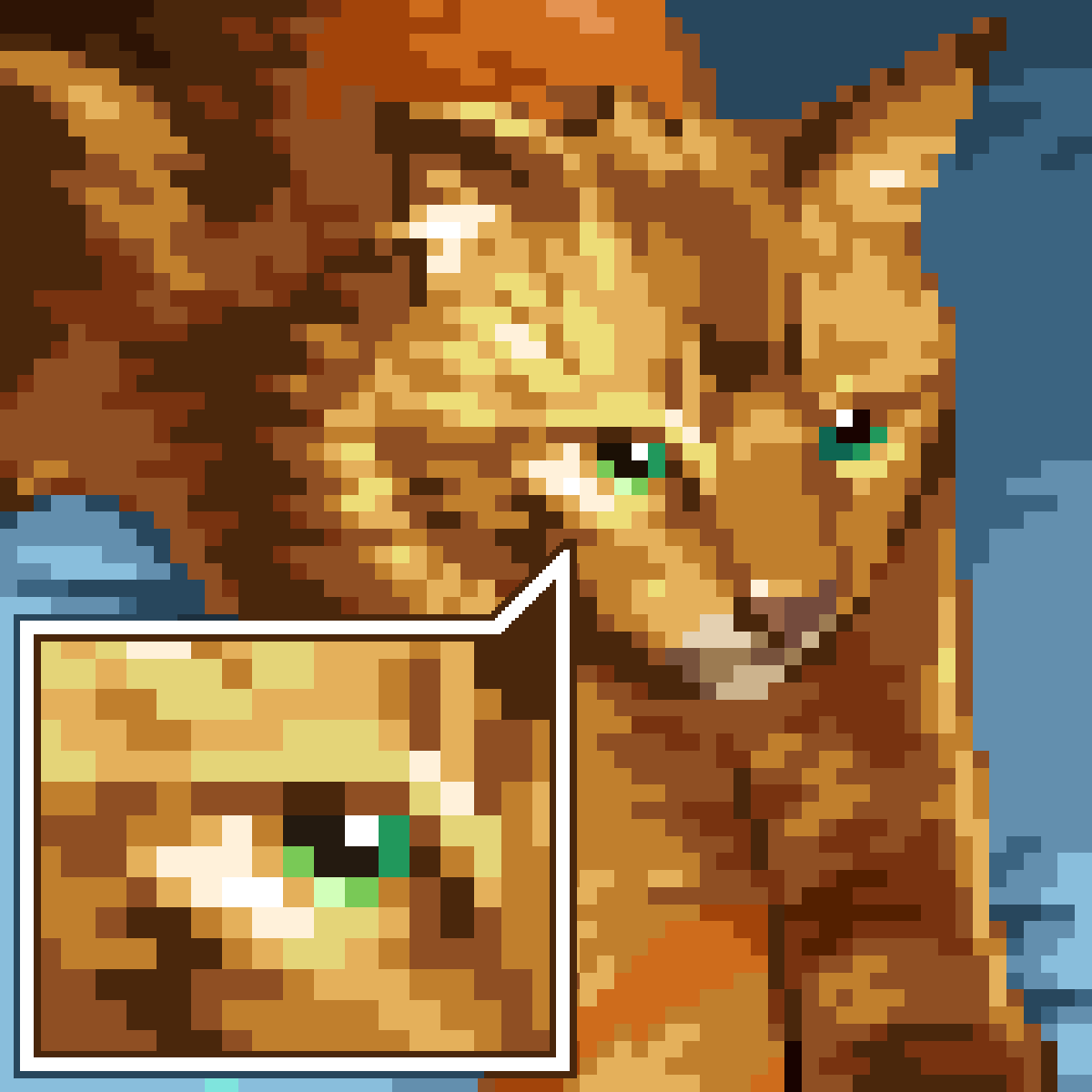
Hardware limitations of the time led to a focus on pixel art and limited color palettes. But what seemed like a restriction became a defining aesthetic – the blocky shapes and bold outlines of pixel art have a timeless charm that continues to resonate today. This retro simplicity is ideal for websites with a nostalgic theme, app icons that want to evoke a sense of playfulness, or even as a subtle design element to add a touch of vintage charm.
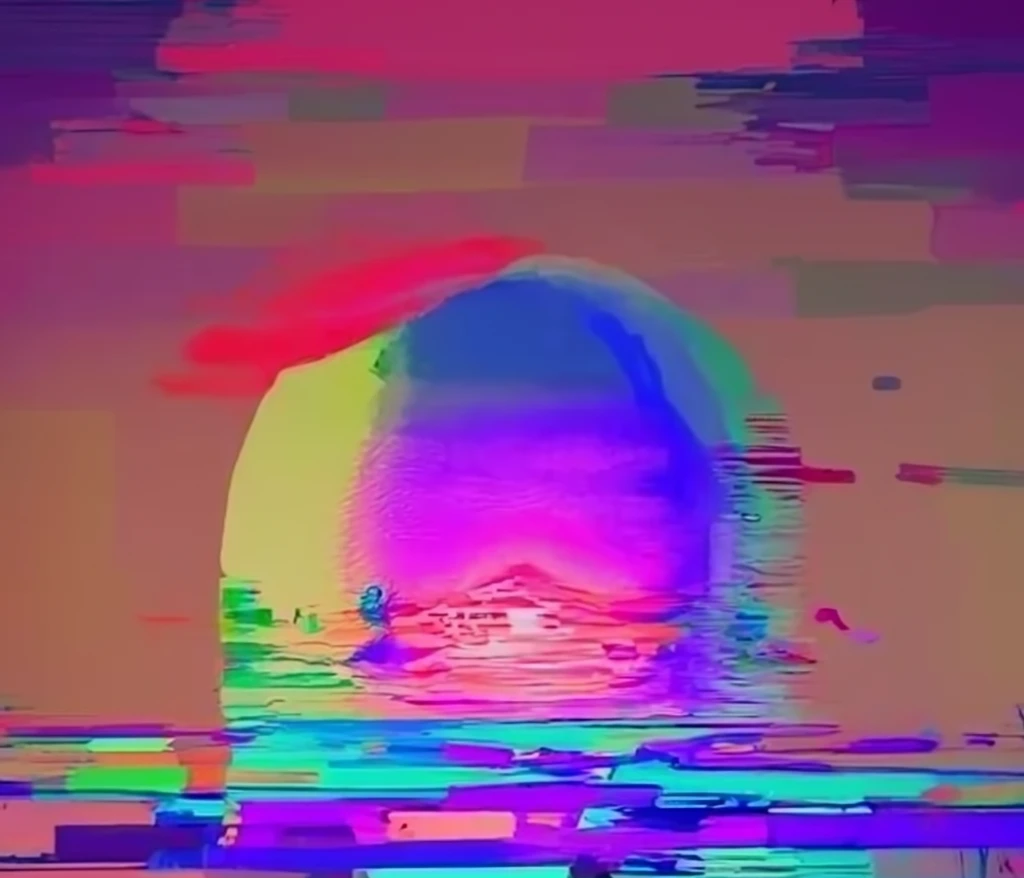
Limited bandwidth and early technology sometimes resulted in unintended visual effects – pixelation, distortion, and textured backgrounds. Today, these “glitches” are embraced for their raw energy and handcrafted aesthetic. This lo-fi style can be a powerful tool for artistic websites, experimental projects, or anyone who wants to create a website that feels authentic and unpolished. It’s a way to celebrate imperfection and the beauty of something created with limitations.
Remember the frustration of a slow-loading floppy disk in a world of instant gratification? Keep your website from being the analogous online presence. Breathe new life into your online presence with a touch of 90s design. ONextStudio can help you create a website that’s as bold and eye-catching as a neon sign, with modern functionality under the hood. Our web design services can seamlessly integrate those nostalgic 90s vibes with cutting-edge features, ensuring your website loads faster than a dial-up connection and keeps you running smoothly in today’s fast-paced digital world. Contact us today.
Topic started 2 years
Last Post 2 years ago