

Logo Design
Creative Interior Design Logos: How to Make Your Brand Stand Out?
Topic started 2 years
Last Post 2 years ago
October 25


Keeping up with the fast-changing world of web design is very important. While captivating headers and user-friendly layouts are essential, one often-overlooked element holds immense potential footer designs. Forget relegating footers to copyright disclaimers! In 2024, these website anchors are poised for a futuristic makeover. This article dives into 5 cutting-edge footer design trends guaranteed to elevate your website and leave a lasting impression.
Footers, the often-overlooked sections at the bottom of webpages, have come a long way since their humble beginnings. They’ve transformed from simple copyright lines into strategic design elements that reflect not just trends, but how users interact with websites. This journey through time unveils how user expectations have continuously shaped both the functionality and aesthetics of footer design.
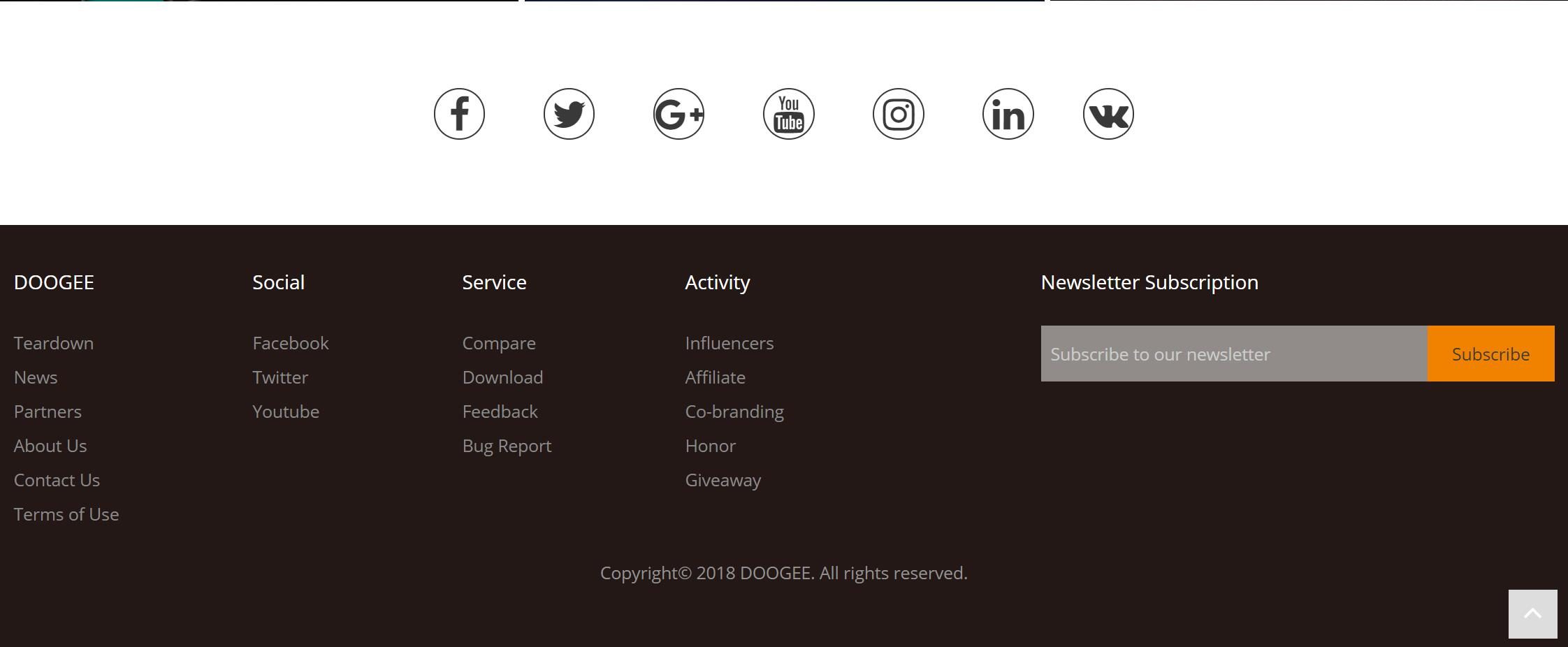
Forget static information! The modern website footer is stepping out of the shadows and becoming a dynamic space for user engagement. Interactive footer designs go beyond the traditional copyright notice and contact details, incorporating features that captivate users and keep them coming back for more.
Traditionally located “below the fold” (the area unseen until a user scrolls down), footers have often been overlooked. However, interactive elements can transform them into a prime spot for user interaction. This not only enhances the user experience but also creates new opportunities to showcase brand personality and drive user actions.

So, what kind of interactive elements can you incorporate? Here are some suggestions to spark your creativity:
– Playful Animations: Subtle animations on hover or click can add a touch of whimsy and draw attention to important links or CTAs.
– Interactive Social Media Feeds: Live feeds showcasing your latest tweets or Instagram posts can encourage users to follow your brand on social media platforms.
– Gamified Elements: Simple quizzes or interactive games within the footer can boost user engagement and brand recall.
– Expandable Content Sections: Accordions or expandable menus can reveal additional information or resources without overwhelming users with a cluttered layout.
Interactive footers are more than just eye candy. Studies show that user engagement with interactive elements can significantly improve user retention:
– Increased Time Spent on Site: By keeping users engaged, interactive elements encourage them to explore more of your website.
– Enhanced Brand Recall: Memorable interactions within the footer can leave a lasting positive impression on your brand.
– Improved Conversion Rates: Interactive CTAs within the footer can lead to increased user actions, such as newsletter sign-ups or product purchases.
However, interactivity shouldn’t come at the expense of usability. Remember these useful tips:
– Clarity is Key: Ensure interactive elements are intuitive and easy for users to understand.
– Prioritize Accessibility: Make sure all features are accessible to users with disabilities, using appropriate coding practices and alt text for animations.
– Test, Test, Test: Rigorously test your interactive footer across different devices and browsers to ensure a seamless experience for all users.
While animations and interactive elements can add pizzazz, it’s crucial to maintain fast page load times. Here are some tips:
– Optimize Images: Use compressed image formats and consider lazy loading for elements that don’t appear immediately on the screen.
– Minimize Code: Keep the code for your interactive elements clean and efficient to avoid bloating page size.
– Consider Server-Side Rendering: For complex interactive features, explore server-side rendering to reduce the load on the user’s browser.
A seamless user experience requires a responsive footer that adapts to different screen sizes. Here’s how to achieve it:
– Use Responsive Frameworks: Utilize CSS frameworks like Bootstrap or Foundation to ensure your interactive elements adjust automatically for various devices.
– Prioritize Mobile-First Design: Design your footer with mobile users in mind, then adapt it for larger screens.
– Test Responsiveness Thoroughly: Test your footer across a range of devices and browsers to ensure a smooth user experience on all platforms.
In the realm of web design, minimalism has become a guiding principle. This philosophy of clean lines, uncluttered spaces, and focused functionality extends to the often-overlooked footer section.
A minimalistic footer prioritizes clarity and user experience over excessive ornamentation. By adopting this approach, you can reap several advantages:
– Enhanced User Experience: Clean footers free from clutter make it easier for users to find the information they need, improving navigation and overall satisfaction.
– Focus on Core Elements: Minimalism allows you to prioritize essential elements like contact information, social media links, or a clear call to action (CTA).
– Aesthetics: Simple footers create a sense of balance and sophistication, aligning perfectly with modern design trends.
Now that we’ve explored the power of minimalism in footer design, let’s get down to brass tacks and build your own! Here’s a breakdown of key elements and achieving the delicate balance between functionality and aesthetics:
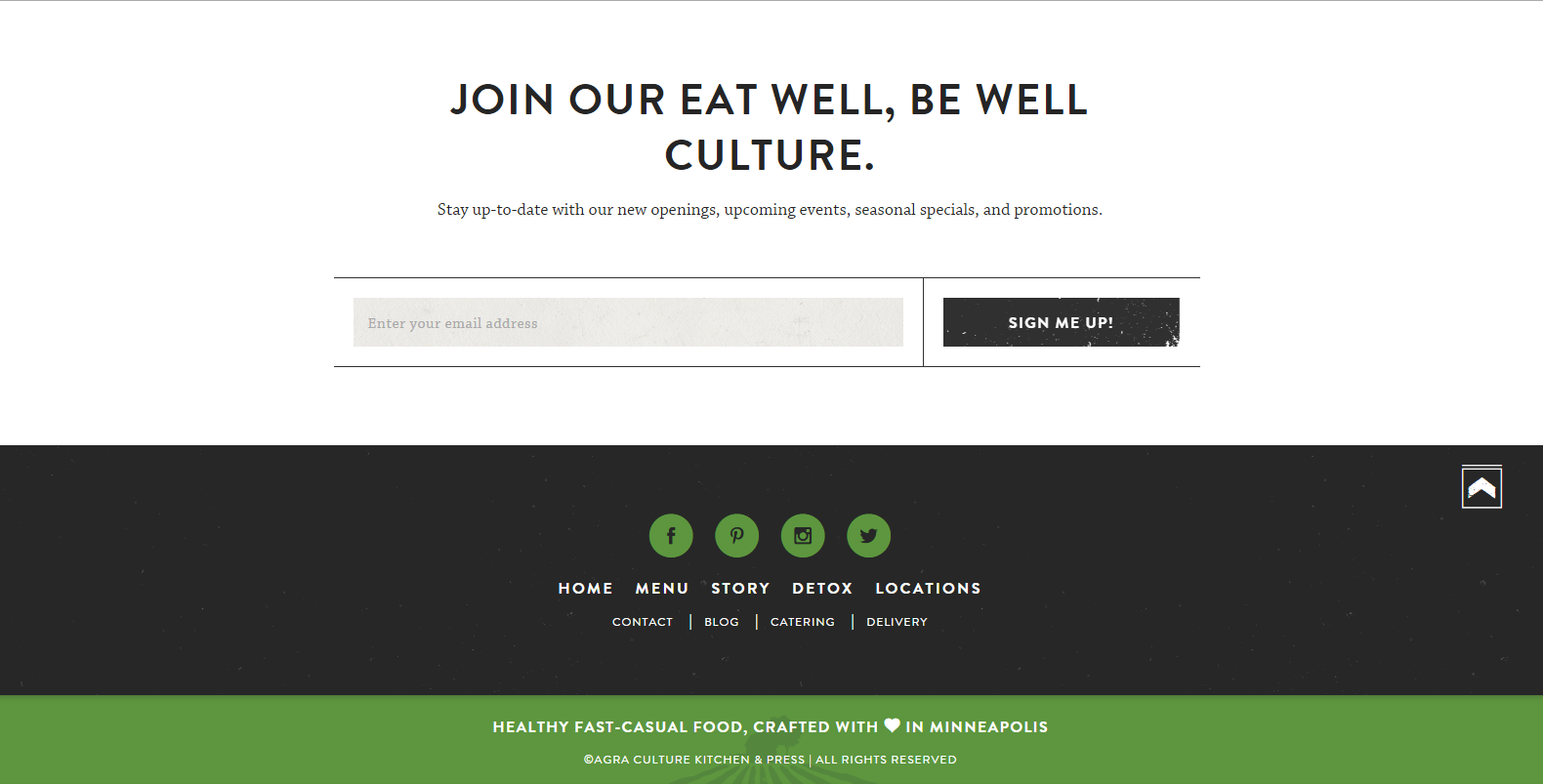
– Copyright Notice: A simple statement acknowledging ownership of the website content.
– Contact Information: Provide essential contact details like email addresses or phone numbers in a clear and concise format.
– Social Proof: Subtle social media icons linking to your brand’s profiles can add credibility and encourage user engagement.
– Prioritize Readability: Use clear fonts and sufficient contrast between text and background colors for effortless reading, even on smaller screens.
– Whitespace is Your Friend: Don’t be afraid of empty space. It creates visual breathing room and emphasizes the included elements.
– Alignment and Grid System: Organize your footer content using a grid system to ensure a balanced and visually-pleasing layout.
– Subtle Touches: Consider incorporating a very subtle hover effect on icons or text for a touch of interactivity without overwhelming the minimalist aesthetic.
By carefully selecting your elements and focusing on clean design principles, you can create a minimalistic footer that is both beautiful and functional, enhancing user experience and strengthening your brand identity.
In today’s data-driven world, website experiences are increasingly tailored to individual users. This trend extends to the humble footer, where personalization can create a more engaging and relevant experience.

Personalized footers leverage user data to dynamically adjust the content based on individual preferences or browsing history. This can include:
– Previously Viewed Content: Recommend similar articles or products based on what the user has looked at before.
– Location Targeting: Display location-specific information like nearby store addresses or relevant events.
– Dynamic CTAs: Offer personalized calls to action based on user behavior, such as encouraging a purchase after adding items to a cart.
While personalization offers numerous benefits, user privacy remains paramount. Here’s how to ensure responsible data collection and usage:
– Transparency: Be upfront about your data collection practices and provide clear opt-out options.
– Focus on Anonymity: Prioritize anonymized data whenever possible, minimizing the amount of personally identifiable information (PII) collected.
– User Control: Allow users to manage their data preferences and control how their information is used.
There are multiple ways to gather user data ethically for footer personalization:
– Cookies and Session Data: Use cookies to track browsing behavior anonymously, identifying popular pages or content categories.
– User Preferences: Offer options for users to set preferences or interests, allowing them to personalize their experience proactively.
– Clickstream Data: Track user clicks to understand their browsing journey and recommend relevant content in the footer.
Personalized footers can take many forms:
– An e-commerce site might suggest complementary accessories based on items viewed in the footer.
– A news website could recommend related articles based on a user’s reading history.
– A travel platform might display personalized city guides or flight deals based on a user’s location.
By leveraging data responsibly and focusing on user experience, personalized footers can become a powerful tool for engagement and brand loyalty.
Sustainability is no longer a niche concern; it’s a core principle impacting all aspects of modern life, including web design. Every website element, from hero images to the humble footer, contributes to its overall carbon footprint.
The digital world has a surprisingly significant environmental impact. Energy consumption from data centers and the resources required to power our devices all contribute to greenhouse gas emissions.

– Image Optimization: Large, unoptimized images common in footers can significantly increase page load times. This translates to higher energy consumption on servers and user devices.
– Resource Efficiency: Unnecessary animations, excessive scripts, or poorly coded elements within the footer can add to overall page load, impacting environmental footprint.
By embracing eco-friendly footer design practices, you can minimize your website’s impact and contribute to a more sustainable digital future.
– Image Optimization: Utilize tools to compress footer images without sacrificing quality. Every KB saved translates to less energy used.
– Minimalism Reigns Supreme: A minimalist footer design inherently promotes sustainability. Fewer elements mean less data to load and lower energy consumption.
– Smart Animations: If you do choose animations, keep them subtle and efficient, using lightweight code to minimize resource usage.
– Lazy Loading: Consider lazy loading footer content, where elements only load when a user scrolls down to them, reducing initial page load time.
– Clean Code: Well-written and efficient code ensures your footer functions optimally without unnecessary bloat, leading to a lighter environmental impact.
There are also a wealth of tools and resources available to help you measure your website’s digital sustainability:
– Website Carbon Calculators: These tools analyze your website’s code and estimate its carbon footprint.
– Green Hosting Providers: Consider migrating to a hosting provider that utilizes renewable energy sources to power their data centers.
By adopting these practices, you can design footers that are not only beautiful and functional but also contribute to a greener web. Remember, every small step towards sustainability adds up to a significant impact in the long run.
The footer, once a static afterthought, is poised for a revolution. Enter the concept of the “smart” footer, a futuristic design element harnessing the power of Artificial Intelligence (AI) and Machine Learning (ML) to deliver a personalized and dynamic user experience.
AI has the potential to transform footer design in several exciting ways:
– Personalized Navigation: Imagine a footer that learns user behavior and dynamically displays the most relevant links based on browsing history. This could be product recommendations for an e-commerce site, or relevant blog posts on a content-driven platform.
– Contextual CTAs: Smart footers can leverage AI to suggest contextually relevant calls to action. For example, a travel website might display a “Book Your Flight Now” button after a user searches for a specific destination.
– Data-Driven Insights: By analyzing user interaction with the footer, AI can provide valuable insights into user preferences. This data can then be used to optimize the footer design and further personalize the user experience.

– E-commerce giants: Imagine a footer that recommends complementary products based on the user’s cart contents.
– News websites: A smart footer might personalize a “Trending News” section based on user location or past reading habits.
– The Future: The possibilities are endless. Voice-activated navigation within the footer, AI-powered chatbots offering real-time support, or dynamic content adapting to user preferences are all on the horizon.
So, how do we build these futuristic footers? Here are some key components:
– Integration with AI/ML Platforms: Connecting your website with an AI platform allows for data analysis and personalized content generation.
– Dynamic Content Engine: This engine ensures the footer can seamlessly display personalized content and CTAs based on user data and AI recommendations.
While exciting, implementing smart footers presents some challenges:
– Data Privacy: Ensuring user data is collected and used with transparency and consent is paramount.
– Technical Expertise: Building and integrating smart footers may require collaboration with AI specialists and developers.
– Testing and Refinement: Thorough testing and user feedback are crucial for optimizing the effectiveness of AI-powered features.
The footer, often an overlooked website element, is poised for a transformation. By incorporating these futuristic design trends, you can elevate your user experience, strengthen your brand identity, and stay ahead of the curve.
If you’re looking to implement these cutting-edge footer designs and take your website to the next level, look no further than ONextStudio. Our web design expertise allows us to craft stunning and functional footers that seamlessly integrate with your overall brand aesthetic. Contact us now for more details.
Topic started 2 years
Last Post 2 years ago